


Hospital Transfer Ambulance Service in Pakistan: Complete Guide to Safe Patient Transportation
Hospital Transfer Ambulance Service in Pakistan: Complete Guide to Safe Patient Transportation
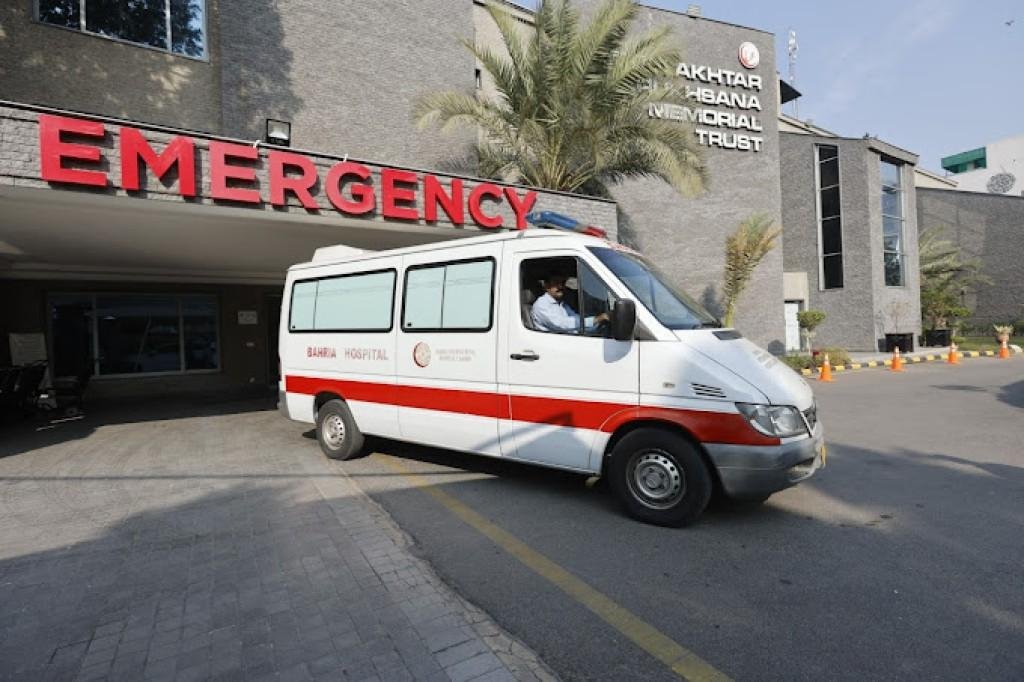
When a patient needs to move from one hospital to another, transportation should be planned carefully. A patient may need to be transferred because a specialist is available at another hospital, advanced diagnostic facilities are required, intensive care is needed, or the treating doctor has recommended further treatment at another medical facility.
In these situations, a hospital transfer ambulance service in Pakistan can provide a more suitable transportation option than a private car or ordinary taxi. Depending on the patient’s condition and the ambulance selected, patient transportation may include a stretcher, oxygen support, monitoring equipment, and medical assistance.
Fatima Ambulance provides ambulance and patient transportation solutions for individuals and families who need assistance with medical transfers. Before arranging any journey, patients and families should discuss the patient’s condition and required medical support with the ambulance provider so that the appropriate service can be arranged.
What Is a Hospital Transfer Ambulance Service?
A hospital transfer ambulance is used to transport a patient from one healthcare facility to another.
Hospital transfers can take place within the same city or between different cities. For example, a patient may need to travel from a hospital in Rawalpindi to a specialized hospital in Islamabad, or from Islamabad to another city for specialist treatment.
Unlike ordinary transportation, an ambulance is designed specifically for patient transportation. Depending on the ambulance category, it may provide space for a stretcher and medical equipment that may be required during the journey.
The exact equipment and medical support available vary between ambulance providers, so families should always confirm these details before booking.
Why Do Patients Need Hospital-to-Hospital Transfers?
There are many reasons why a doctor may recommend transferring a patient to another hospital.
Some common reasons include:
- Need for specialist medical treatment
- Requirement for intensive care
- Need for advanced diagnostic facilities
- Availability of a specific medical specialist
- Need for surgery or a specialized procedure
- Transfer to a hospital closer to family
- Lack of available beds at the current hospital
- Referral to a larger healthcare facility
- Need for rehabilitation or further treatment
- Transfer following an emergency admission
The patient’s treating doctor or medical team should determine whether a transfer is medically appropriate.
Hospital Transfer Ambulance Service in Islamabad

Islamabad is home to a number of hospitals, clinics, diagnostic centers, and specialized healthcare facilities. Patients from Islamabad and Rawalpindi may therefore require transportation between different hospitals.
A hospital transfer ambulance in Islamabad can be useful when a patient cannot safely travel in a normal car.
For example, a patient recovering from surgery may need to remain lying down. Similarly, an injured patient may require stretcher transportation rather than sitting in an ordinary vehicle.
Before booking an ambulance, provide the ambulance company with:
- Current hospital name
- Destination hospital
- Patient’s medical condition
- Whether the patient can sit or walk
- Whether a stretcher is required
- Whether oxygen may be required
- Whether medical staff are required
- Preferred pickup time
- Any special transportation instructions
Clear information helps the provider determine what type of ambulance may be appropriate.
Hospital Transfer Between Islamabad and Rawalpindi
Islamabad and Rawalpindi are closely connected, and patients may frequently need to move between hospitals in both cities.
A patient might be admitted to a hospital in Rawalpindi and later referred to a specialist in Islamabad. Another patient may require transfer in the opposite direction.
Although the distance may not be very long, the patient’s medical condition should still be considered.
If a patient cannot walk, sit, or travel safely in an ordinary vehicle, a patient transfer ambulance may be a more suitable option.
Families should provide the exact pickup and destination locations when requesting an ambulance quotation.
Private Ambulance Service for Hospital Transfers
A private ambulance service in Pakistan can be useful when families need scheduled or specialized patient transportation.
Private ambulance transportation may be arranged for:
- Hospital-to-hospital transfers
- Hospital discharge
- Medical appointments
- Diagnostic appointments
- Home-to-hospital transportation
- Intercity patient transfers
- Elderly patient transportation
- Post-surgery transportation
- Long-distance medical travel
The availability of each service depends on the ambulance provider and location.
When arranging a private ambulance, ask what is included in the service and whether the ambulance is suitable for the patient’s medical condition.
ICU Ambulance for Critical Patients

Some hospital transfers involve patients who require a higher level of medical support.
For example, a patient may be in an intensive care unit and require transfer to another hospital with a specialist department or advanced treatment facility.
In such situations, a standard patient transportation vehicle may not be sufficient.
An ICU ambulance service may be considered for patients who require advanced support during transportation. Depending on the provider, an ICU ambulance may have equipment such as oxygen, monitoring equipment, or other medical resources.
However, equipment and staffing can vary considerably.
Before booking an ICU ambulance, families should specifically confirm:
- Available medical equipment
- Oxygen support
- Patient monitoring
- Medical staff
- Stretcher arrangements
- Availability for the required route
- Whether the ambulance is appropriate for the patient’s condition
For critically ill patients, the treating medical team should also be involved in planning the transfer.
Long-Distance Hospital Transfer in Pakistan
Not every hospital transfer takes place within the same city.
Patients may sometimes need to travel from one city to another because a particular specialist, hospital, or treatment facility is available elsewhere.
For example, a patient may require transportation between:
- Islamabad and Lahore
- Rawalpindi and Lahore
- Islamabad and Peshawar
- Lahore and Faisalabad
- Islamabad and other cities in Punjab or Khyber Pakhtunkhwa
- Other intercity routes across Pakistan
Long-distance patient transportation requires additional planning.
The ambulance provider should know the patient’s condition, expected journey duration, destination, and any medical requirements before the trip.
For more information about long-distance transportation, read our detailed guide on Intercity Ambulance Service in Pakistan: Safe Patient Transfer Between Cities.
Internal Link: Replace
INSERT-INTERCITY-BLOG-URLwith the actual URL of your published Intercity Ambulance blog.
Emergency Ambulance vs Hospital Transfer Ambulance
An emergency ambulance and a planned hospital transfer ambulance may serve different purposes.
An emergency ambulance is generally requested when a patient requires urgent transportation because of an accident, sudden illness, serious injury, or another emergency.
A hospital transfer may be planned in advance when a doctor has recommended moving a stable patient to another healthcare facility.
However, a hospital transfer can also be urgent.
For example, if a patient requires immediate specialist treatment that is unavailable at the current facility, the medical team may recommend an urgent transfer.
The ambulance provider should be told whether the transfer is:
- Emergency
- Urgent
- Scheduled
- Routine
- Long-distance
- Hospital discharge
This information helps with transportation planning.
How to Arrange a Hospital Transfer Ambulance
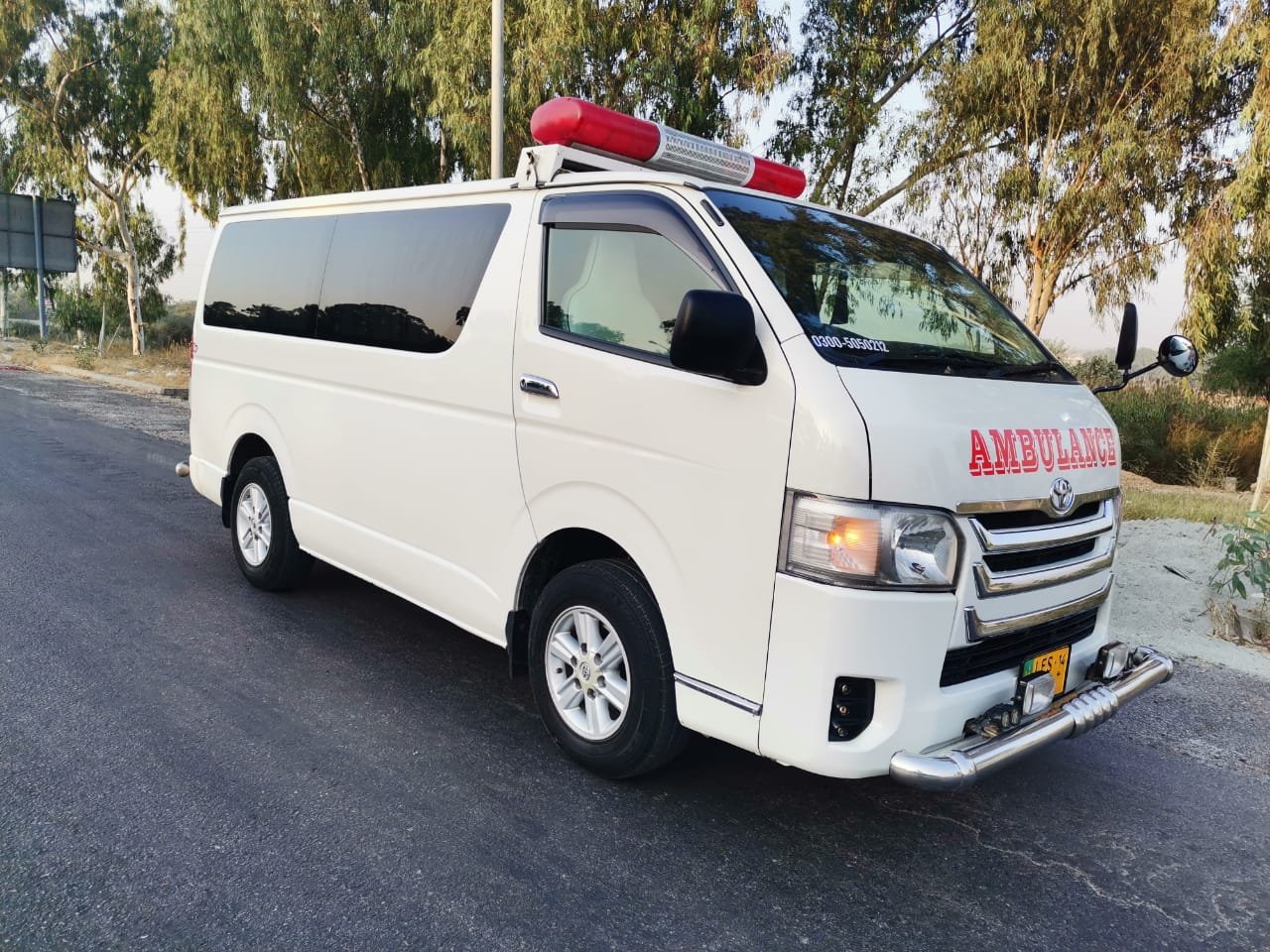
Arranging a hospital transfer does not have to be complicated, but providing accurate information is important.
Step 1: Confirm the Destination Hospital
Before booking the ambulance, confirm where the patient is being transferred.
Make sure the receiving hospital has been contacted if required and that the patient has been accepted for transfer.
Step 2: Explain the Patient’s Condition
Tell the ambulance provider whether the patient is:
- Walking
- Wheelchair-dependent
- Bedridden
- Stretcher-bound
- Recovering from surgery
- Injured
- Receiving oxygen
- Under medical observation
- Critically ill
Do not hide important medical information when booking.
Step 3: Confirm the Ambulance Type
Ask whether the provider recommends a basic patient transport ambulance, an ambulance with oxygen support, or a higher-level medical transport vehicle.
Step 4: Confirm Medical Staff
If the patient requires medical supervision during transportation, ask whether trained medical staff are available.
Step 5: Confirm Cost
Ask for the estimated ambulance charges before confirming the trip.
The cost can depend on distance, ambulance type, medical requirements, staff, waiting time, and other factors.
What Does an Ambulance Transfer Cost in Pakistan?
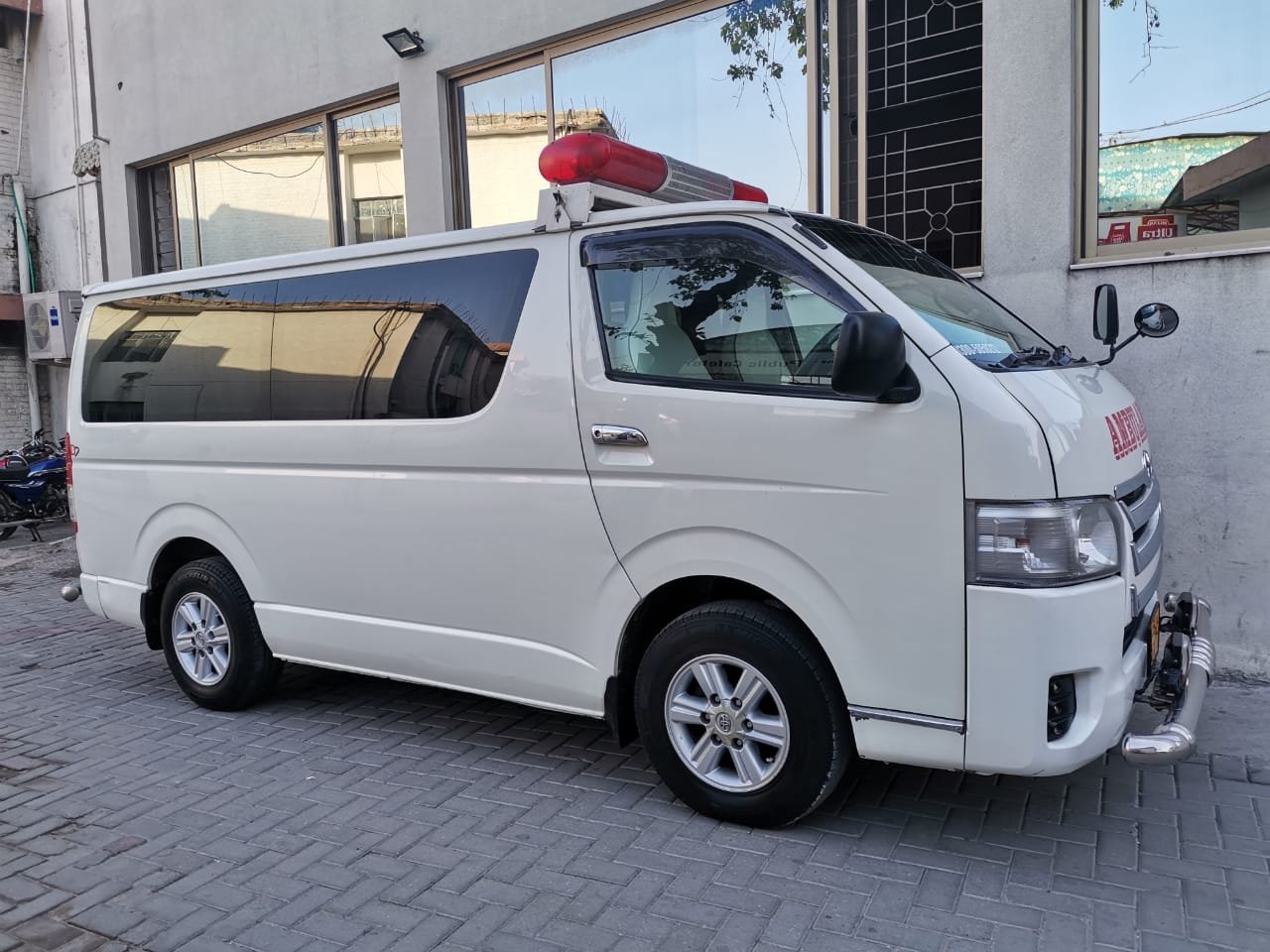
There is no single ambulance price that applies to every hospital transfer in Pakistan.
The total cost may depend on:
- Pickup location
- Destination
- Total distance
- Ambulance type
- Medical equipment
- Medical staff
- Waiting time
- Intercity travel
- Special patient requirements
A short hospital transfer within a city may have a different price from a long-distance transfer between cities.
For this reason, families should provide complete journey details and request a quotation based on their specific requirements.
Patient Transfer for Elderly People
Older patients may require additional assistance when moving between hospitals.
An elderly patient may have reduced mobility, weakness, an injury, or a medical condition that makes ordinary transportation uncomfortable or unsafe.
A patient transfer ambulance can provide stretcher transportation when the patient cannot safely sit in a normal car.
Family members should explain the patient’s mobility level when making the booking.
If the patient requires additional medical support, that should also be discussed with the ambulance provider before the journey.
Ambulance for Bedridden Patients
Bedridden patients can face significant difficulties when travelling to another healthcare facility.
Moving a bedridden patient into an ordinary vehicle may be physically difficult and may not provide an appropriate transportation environment.
A stretcher ambulance can be more suitable for patients who need to remain lying down during transportation.
Before booking, confirm that the ambulance has the appropriate stretcher arrangement and that the vehicle can safely accommodate the patient.
Ambulance for Hospital Discharge
Hospital discharge does not always mean that a patient can travel home in a normal car.
Patients recovering from surgery, serious illness, fractures, or other medical conditions may still require assistance.
A hospital discharge ambulance service can help transport such patients from a hospital to their home or another healthcare facility.
For scheduled discharge transportation, it is advisable to contact the ambulance provider in advance and provide the expected discharge time.
Hospital discharge times can sometimes change, so families should maintain communication with both the hospital and ambulance provider.
Documents to Keep Ready During a Hospital Transfer
Before transferring a patient, families should keep relevant medical documents available.
These may include:
- Patient identification
- Medical reports
- Prescription information
- Current medication list
- Recent laboratory reports
- Imaging reports
- Doctor’s referral
- Hospital discharge summary
- Previous treatment records
- Emergency contact information
Having these documents ready can make the transfer process more organized and help the receiving medical team understand the patient’s history.
How to Find an Ambulance Near You
During a medical situation, people often search for:
ambulance near me
ambulance service near me
emergency ambulance near me
private ambulance near me
ambulance service in Islamabad
patient transfer ambulance near me
Online searches can help identify available providers, but families should not select a service based only on a search result.
Before confirming an ambulance, ask about the vehicle type, availability, medical equipment, staff, estimated cost, and whether the service is suitable for the patient.
Important Questions to Ask Before Booking
Before confirming a hospital transfer ambulance, ask:
Is the ambulance available at my required time?
Confirm the pickup time and estimated arrival.
Does the ambulance have a stretcher?
This is particularly important for bedridden or non-mobile patients.
Is oxygen available?
If oxygen may be required, confirm availability before booking.
Can a medical professional accompany the patient?
If medical supervision is required, confirm staff availability.
Can the ambulance travel between cities?
For long-distance transfers, confirm the route before booking.
What will the ambulance cost?
Ask for an estimated total cost based on the journey details.
Is there additional waiting time?
If the ambulance needs to wait at the hospital, ask whether additional charges may apply.
Why Families Should Plan Hospital Transfers Carefully
A hospital transfer is more than simply moving a patient from one location to another.
The patient’s condition, medical requirements, distance, destination, ambulance type, and timing all need to be considered.
Good planning can help reduce delays and make the transportation process easier for patients and families.
If the patient is critically ill or requires specialized care, the treating medical team should be involved in deciding the appropriate method of transportation.
Hospital Transfer Ambulance Service in Pakistan – Fatima Ambulance

Fatima Ambulance aims to support patients and families looking for ambulance transportation and patient transfer solutions.
Whether you require transportation within Islamabad or Rawalpindi, hospital discharge transportation, or an intercity patient transfer, the required ambulance type should be discussed according to the patient’s condition.
When contacting Fatima Ambulance, provide the pickup location, destination, patient’s condition, mobility requirements, and any known medical support requirements.
The provider can then advise on available transportation options and applicable charges.
Frequently Asked Questions
What is a hospital transfer ambulance?
A hospital transfer ambulance is used to transport patients from one healthcare facility to another. It can be used for both local and intercity patient transfers.
Can I book an ambulance from Islamabad to another city?
Some ambulance providers offer intercity transportation. Confirm the destination, availability, ambulance type, medical requirements, and cost before booking.
Can bedridden patients travel by ambulance?
Yes. Patients who cannot safely sit or walk may require stretcher-based ambulance transportation. The patient’s requirements should be explained when booking.
Can an ambulance transfer a patient between two hospitals?
Yes. Hospital-to-hospital patient transfer is one of the common reasons for ambulance transportation.
Does every ambulance have oxygen?
No. Equipment varies between ambulances and providers. If oxygen is required, confirm its availability before booking.
Is an ICU ambulance required for every hospital transfer?
No. The appropriate ambulance depends on the patient’s medical condition. A treating doctor or medical team should help determine the appropriate level of transportation for critically ill patients.
How much does hospital transfer ambulance service cost?
The cost varies according to distance, ambulance type, medical equipment, staff requirements, waiting time, and other factors. Contact the provider for a journey-specific quotation.
Can an ambulance be used for hospital discharge?
Yes. Patients who cannot safely travel home in a normal vehicle may use an ambulance for hospital discharge transportation, subject to availability.
Conclusion
A hospital transfer ambulance service in Pakistan can provide an appropriate transportation solution when a patient needs to move between hospitals, clinics, healthcare facilities, or home.
From local hospital transfers in Islamabad and Rawalpindi to long-distance patient transportation across Pakistan, every journey should be planned according to the patient’s condition.
Before booking an ambulance, confirm the patient’s transportation requirements, ambulance type, stretcher availability, medical equipment, medical staff, route, timing, and estimated cost.
For patients with serious or complex medical conditions, the treating healthcare team should be involved in determining the safest transportation option.
If you need ambulance transportation, contact Fatima Ambulance and provide complete information about the patient’s condition and journey requirements so that the available service can be discussed appropriately.
Related Reading
Intercity Ambulance Service in Pakistan: Safe Patient Transfer Between Cities
Emergency Ambulance Service in Islamabad & Pakistan
Private Ambulance Service in Islamabad: Patient Transfer, ICU & Long-Distance Ambulance